Evernorth Brings an XRP Treasury to Nasdaq
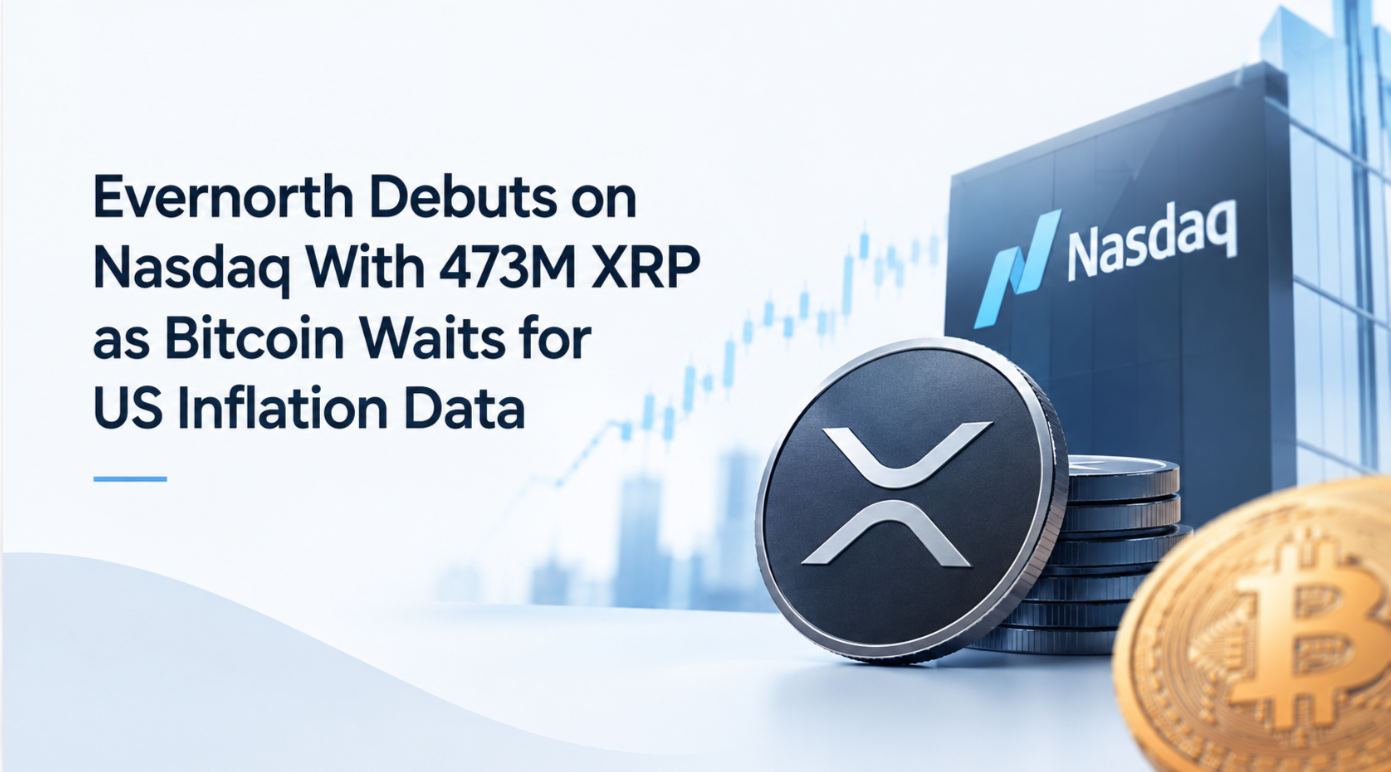
Evernorth has completed its business combination with Armada Acquisition Corp. II, and its shares begin trading on Nasdaq today under the ticker XRPN. The merger and related private placements raised more than $1 billion, with backing from Ripple, SBI Group, Kraken and Pantera Capital.
The company enters the public market holding roughly 473 million XRP, along with about $300 million in gross cash proceeds. Evernorth describes itself as an actively managed treasury rather than a passive holder. Its stated plans include institutional yield strategies, infrastructure, on-chain credit and other activity across the XRP ecosystem.
One distinction matters for readers: XRP itself is not being listed on Nasdaq. XRPN is an equity in a company whose strategy is built around the token. That gives traditional investors another route to XRP exposure, alongside the exchange-traded products that already track it. XRP is trading near $1.40, and analysts are watching $1.50 as the next key level. The token remains well below its 2025 peak.
Bitcoin Holds Near $84,000 Before the CPI Print
The wider market is in consolidation. Bitcoin briefly moved above $84,000 and then pulled back to around $83,500, while Ethereum trades near $2,550. Total crypto market capitalization sits close to $2.9 trillion.
Support from outside crypto has been constructive. US equities extended their recovery last week, with the S&P 500 gaining more than 1% and the Nasdaq posting a fourth straight weekly advance. Even so, rebound momentum in crypto looks tentative, and traders are reluctant to take large positions before the next major data release.
That release is the September Consumer Price Index, scheduled for Wednesday, October 14, at 8:30 a.m. Eastern Time. August inflation came in at 3.4%, so the new reading will show whether price pressure is easing or sticking. A softer figure could support risk assets, while a hotter one could renew concerns about the path of interest rates.
Why the Two Stories Connect
Evernorth’s debut shows that capital markets are building more regulated ways to hold crypto-linked assets. The inflation report shows that those assets still react to the same macro forces as stocks and bonds. For US investors, the lesson is that institutional access and macro sensitivity now go hand in hand.