★ Top guideAnalysis
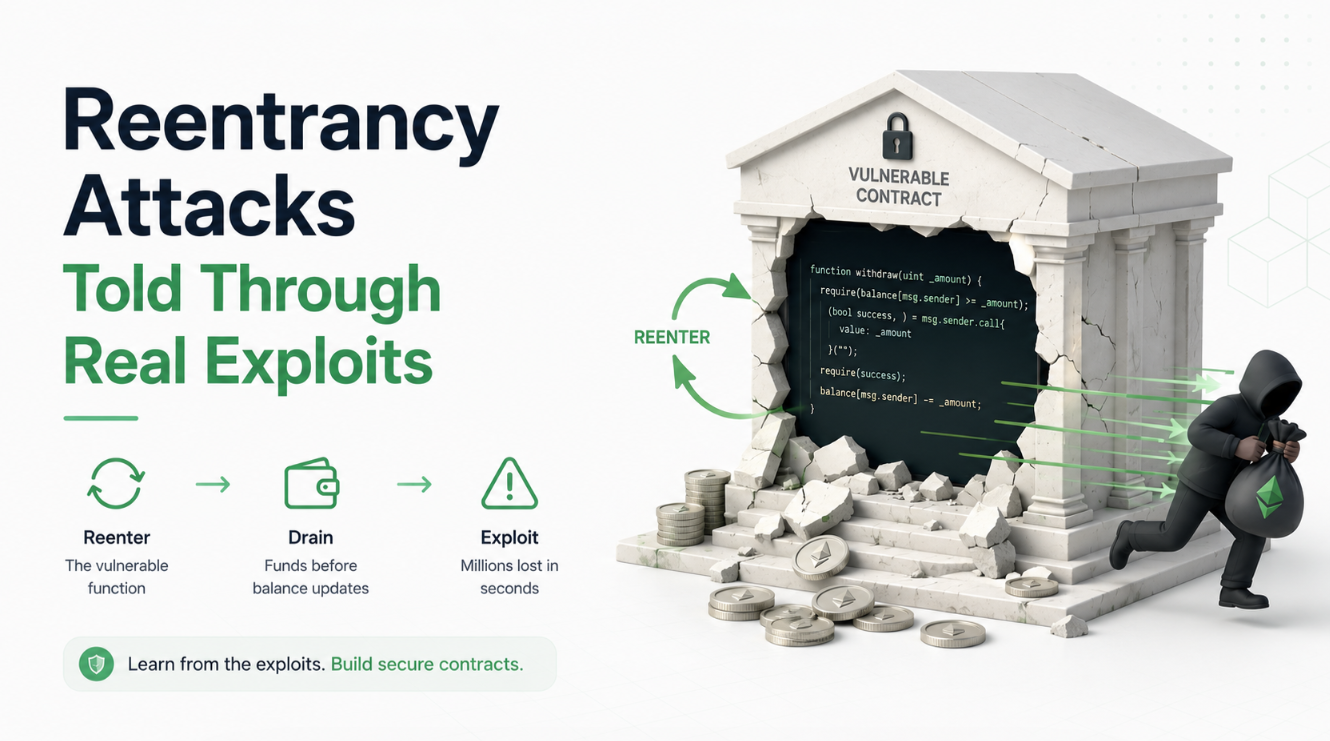
Reentrancy Attacks Told Through Real Exploits
The DAO, Fei, Cream — the pattern that ate $50M and how the fix works. The most-cited smart-contract vulnerability.
Advanced8 min read
Beginner-to-advanced crypto guides on Bitcoin, Ethereum, DeFi, staking, wallets, taxes, and security. Step-by-step tutorials backed by hands-on testing.
The DAO, Fei, Cream — the pattern that ate $50M and how the fix works. The most-cited smart-contract vulnerability.
Showing 9 of 116
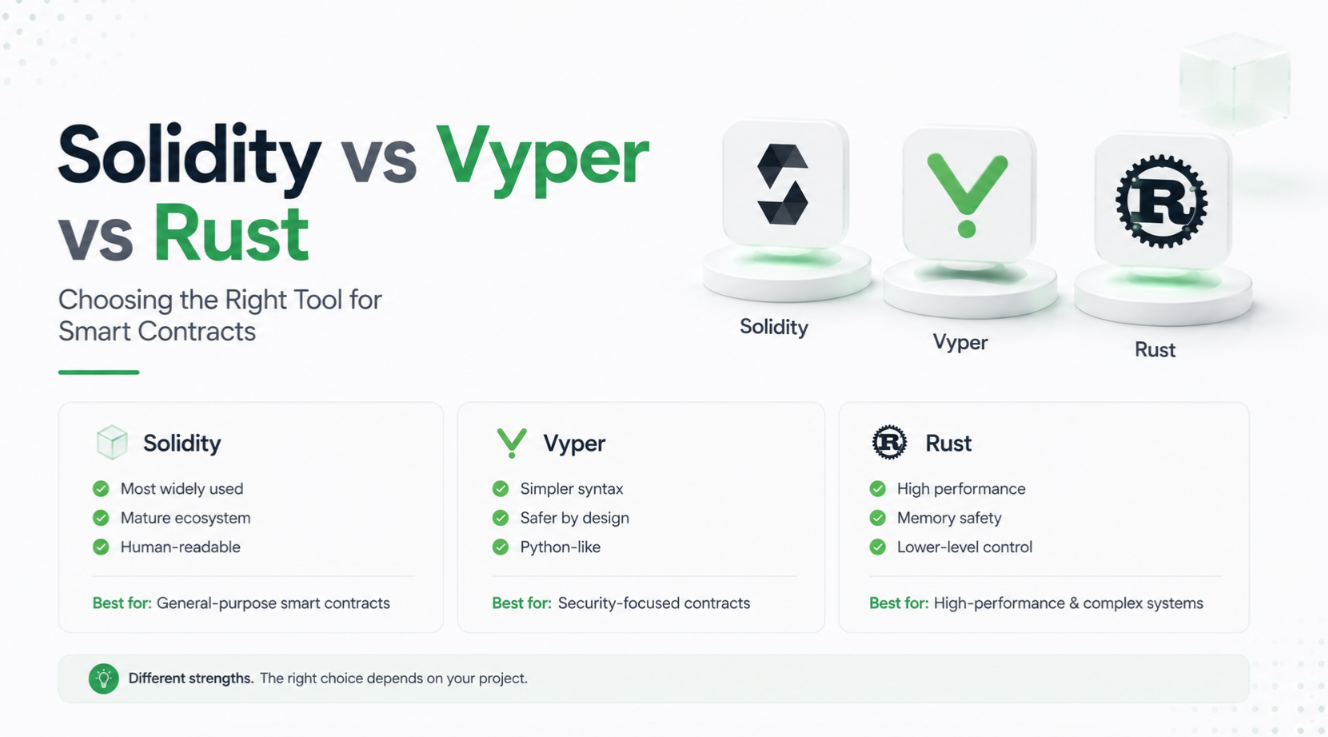
Three main languages, three ecosystems, three security cultures. Where each dominates and why the choice matters.

Source verification, proxy verification, and the trust it actually earns. The habit that protects you from unverified rugpulls.

The bridge between a contract and every wallet or dApp that talks to it. The one file that makes smart contracts usable.

Every tab explained — Read, Write, Events, Verified source, Proxy. The habit that separates casual users from serious ones.
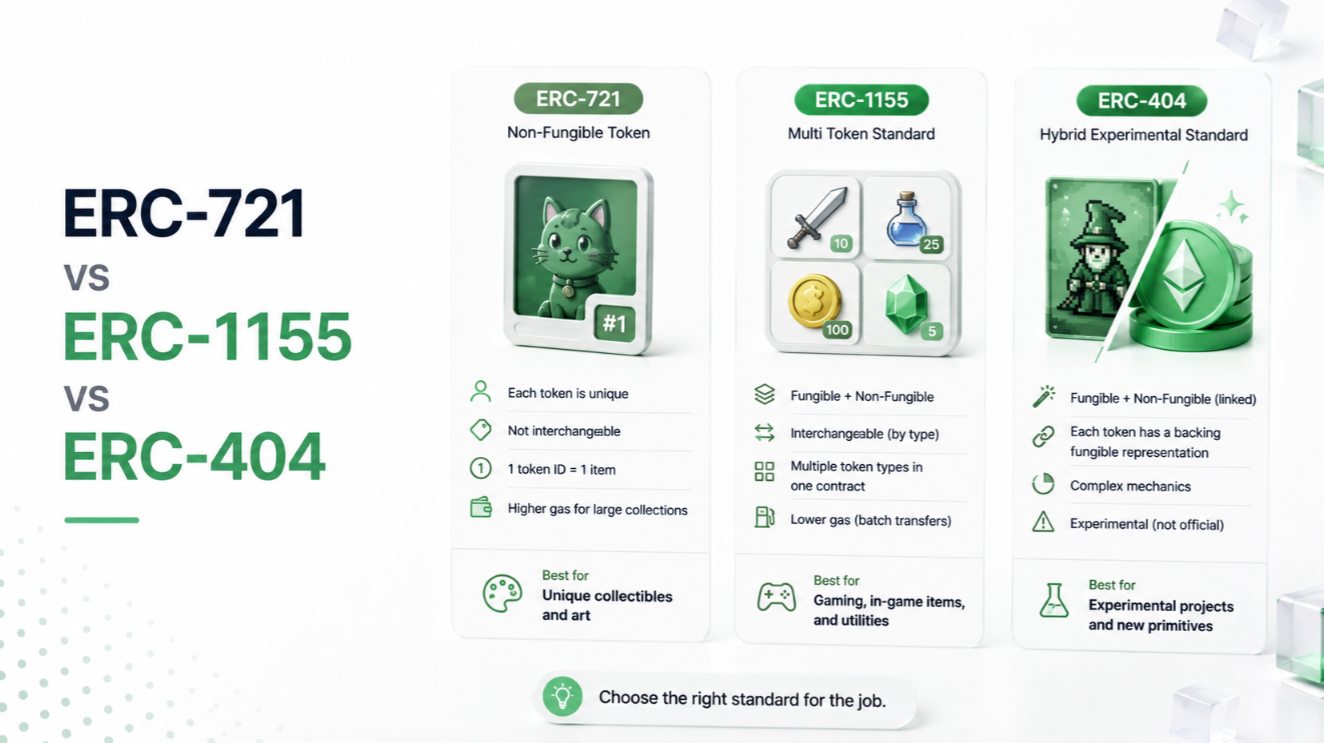
NFT, semi-fungible, and the "hybrid." Same problem — a token with an identity — three different answers.

approve/transferFrom, allowances, and why token approvals are the #1 phishing vector. What every ERC-20 token actually is under the hood.

Proposer/builder separation, MEV-Boost, and the market that decides what goes into each Ethereum block. Walked through with an actual block.

The three main patterns of Maximal Extractable Value, with real on-chain examples. The invisible market that shapes every Ethereum trade.