GuidesIntermediate
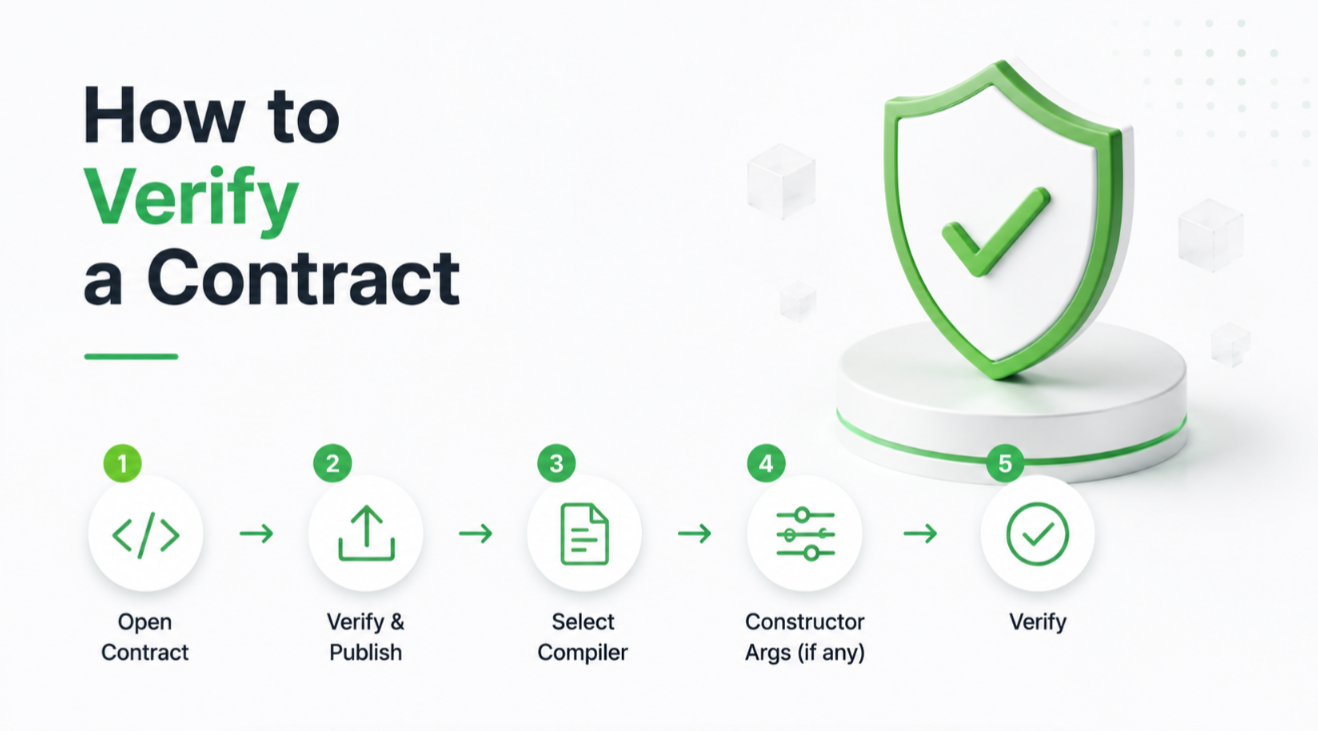
How to Verify a Contract Yourself
Source verification, proxy verification, and the trust it actually earns. The habit that protects you from unverified rugpulls.
6 min read
Beginner-to-advanced crypto guides on Bitcoin, Ethereum, DeFi, staking, wallets, taxes, and security. Step-by-step tutorials backed by hands-on testing.
Showing 9 of 58
Source verification, proxy verification, and the trust it actually earns. The habit that protects you from unverified rugpulls.
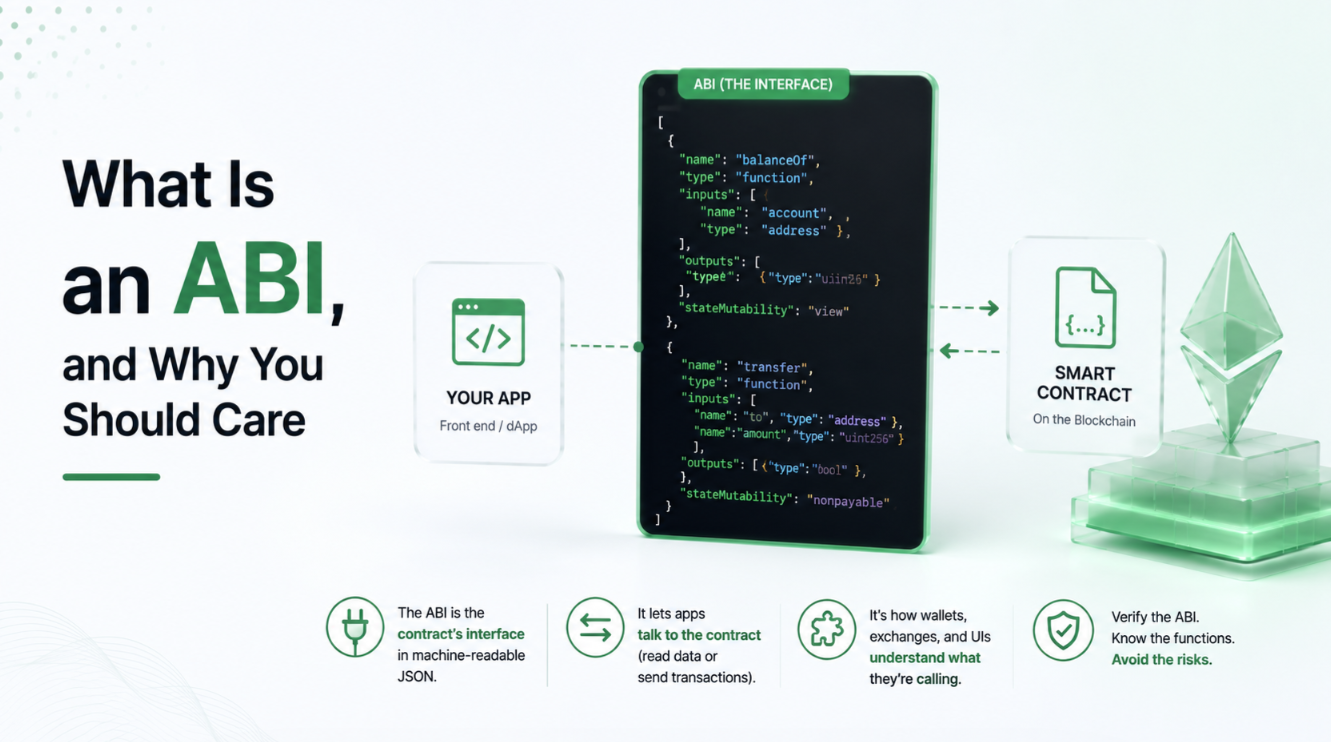
The bridge between a contract and every wallet or dApp that talks to it. The one file that makes smart contracts usable.

Every tab explained — Read, Write, Events, Verified source, Proxy. The habit that separates casual users from serious ones.
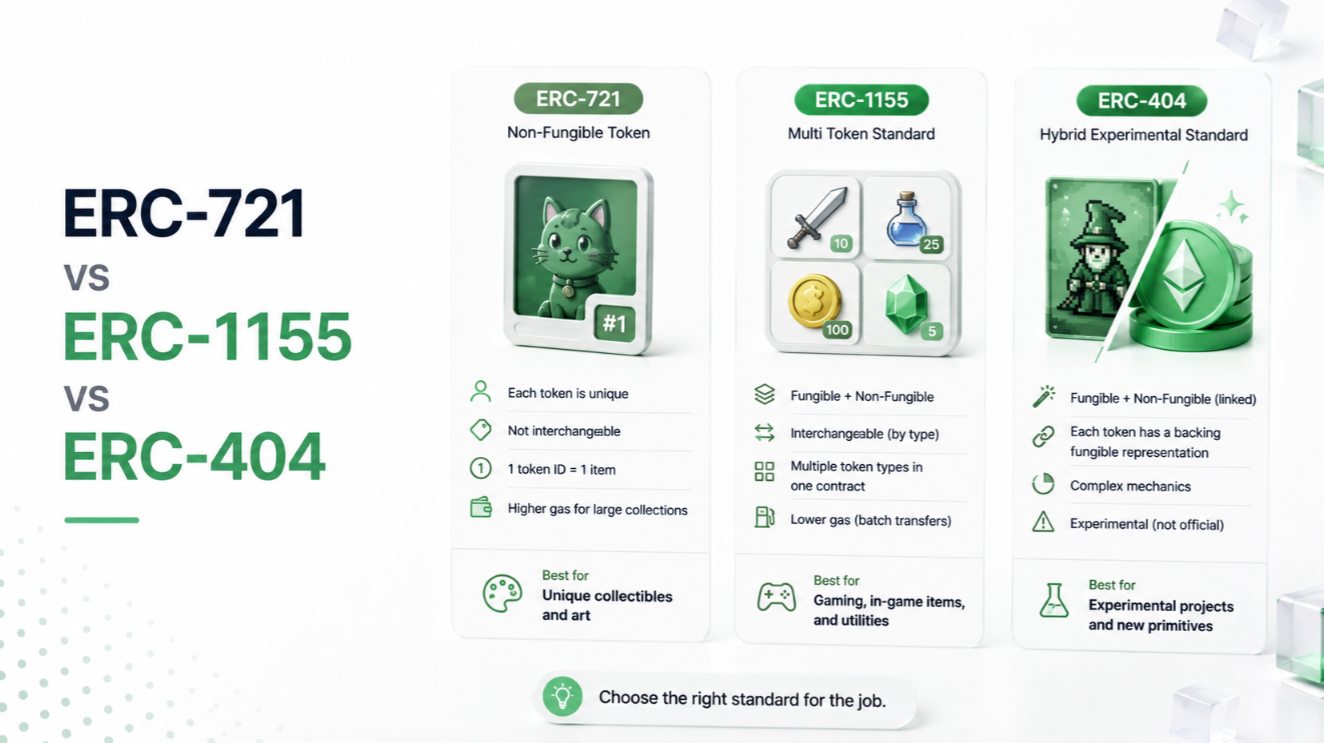
NFT, semi-fungible, and the "hybrid." Same problem — a token with an identity — three different answers.
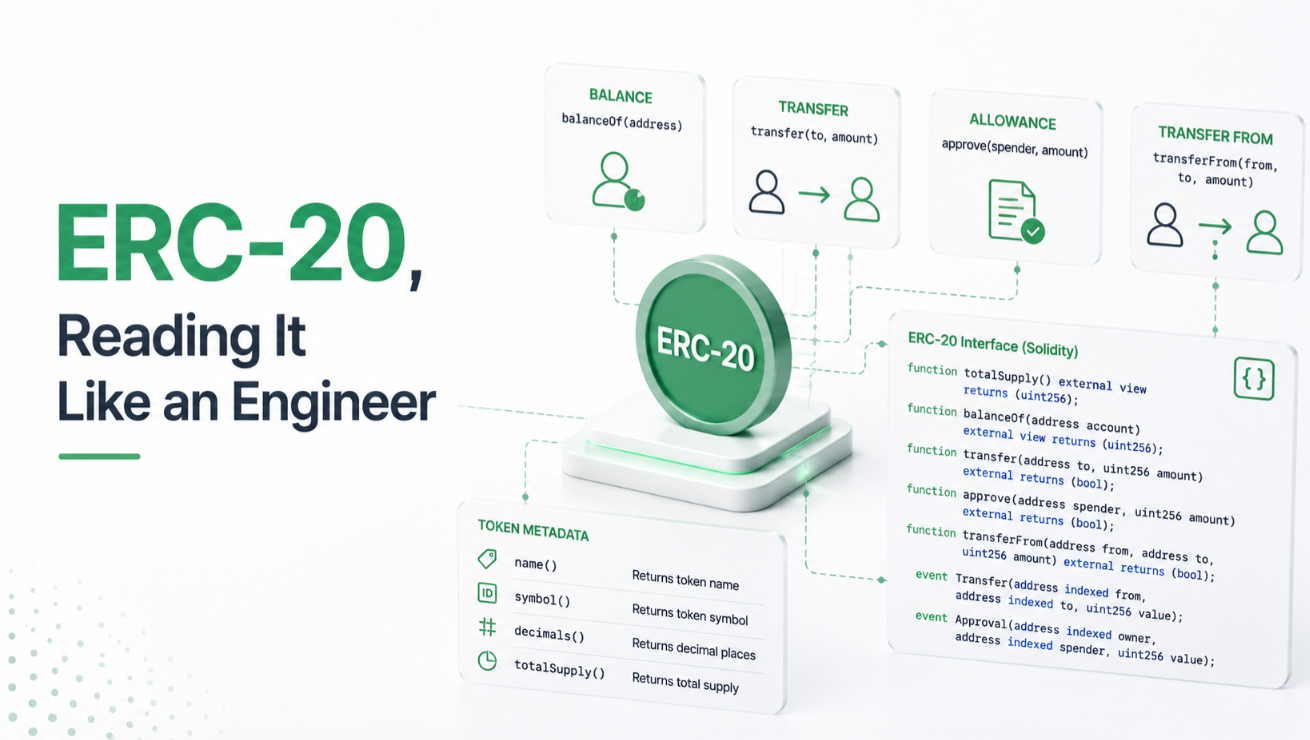
approve/transferFrom, allowances, and why token approvals are the #1 phishing vector. What every ERC-20 token actually is under the hood.
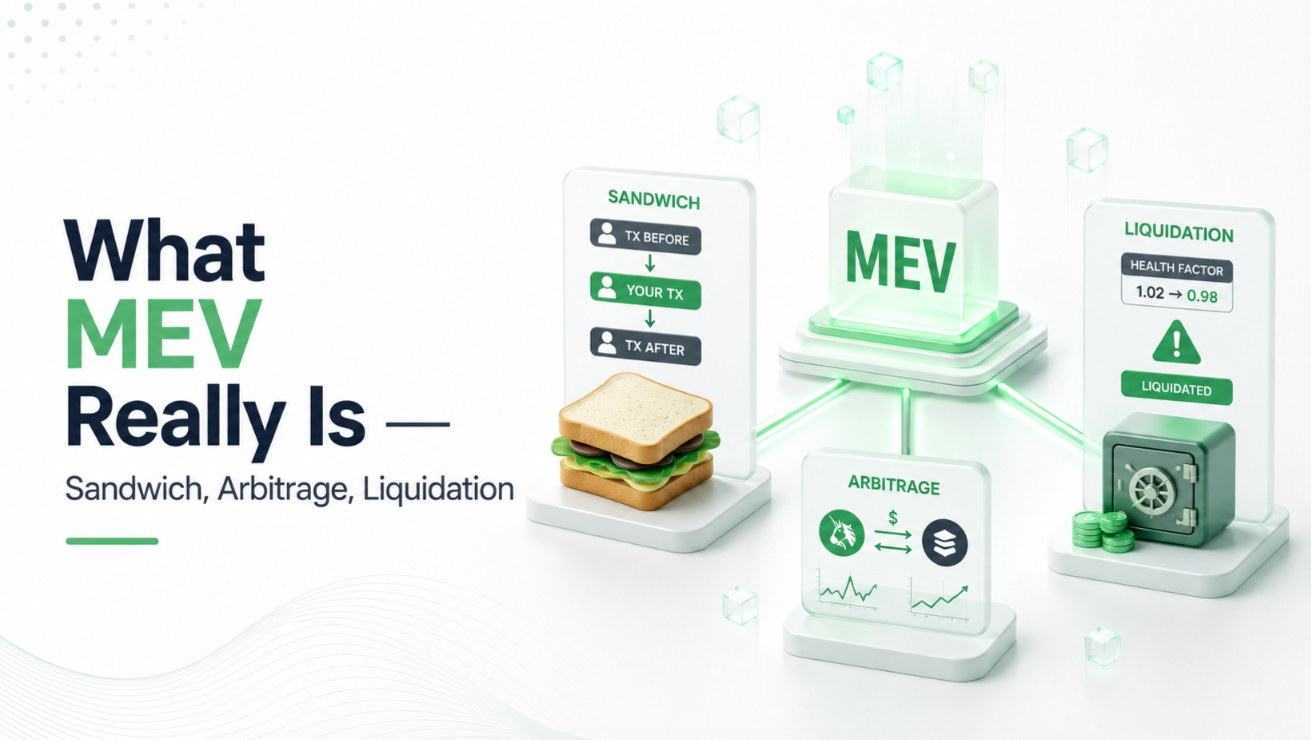
The three main patterns of Maximal Extractable Value, with real on-chain examples. The invisible market that shapes every Ethereum trade.
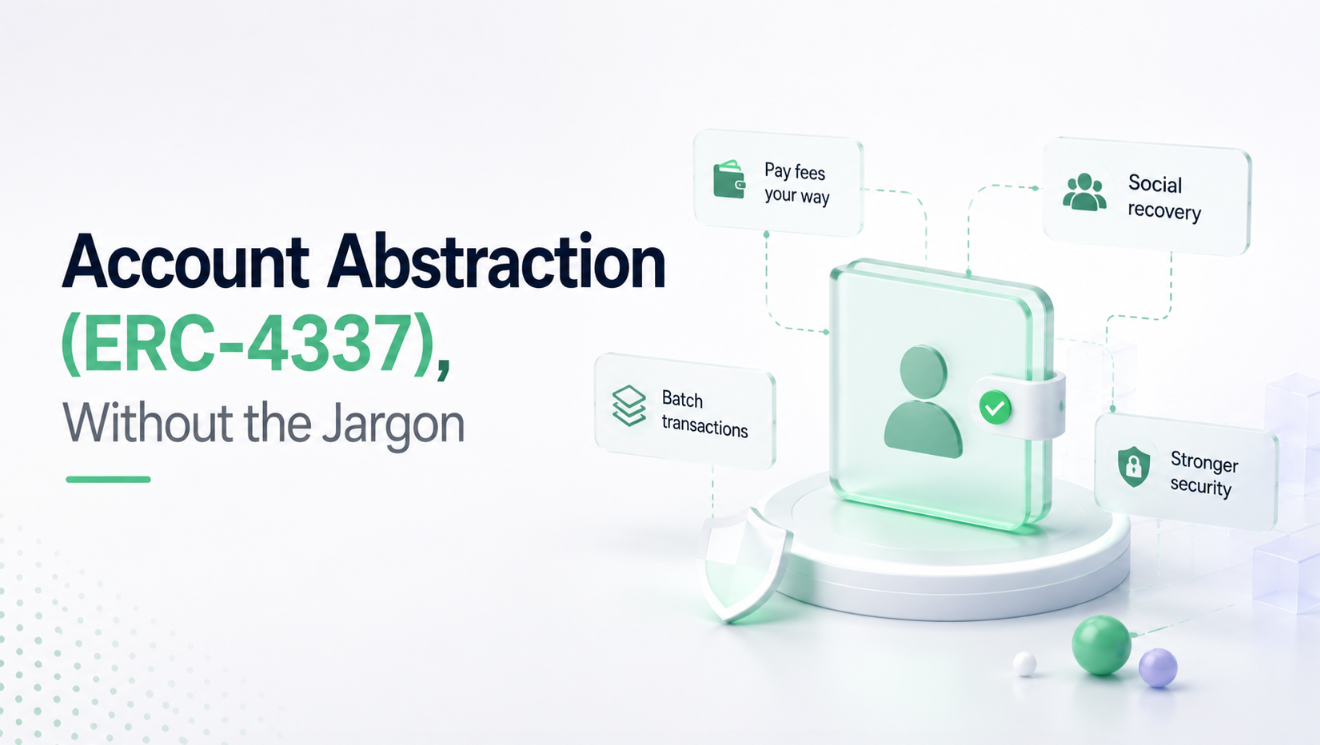
Bundlers, paymasters, session keys — what actually changes for users. The end of "you must hold ETH to use Ethereum."

The two kinds of accounts Ethereum has, why the distinction matters more than most tutorials admit, and where account abstraction is heading.
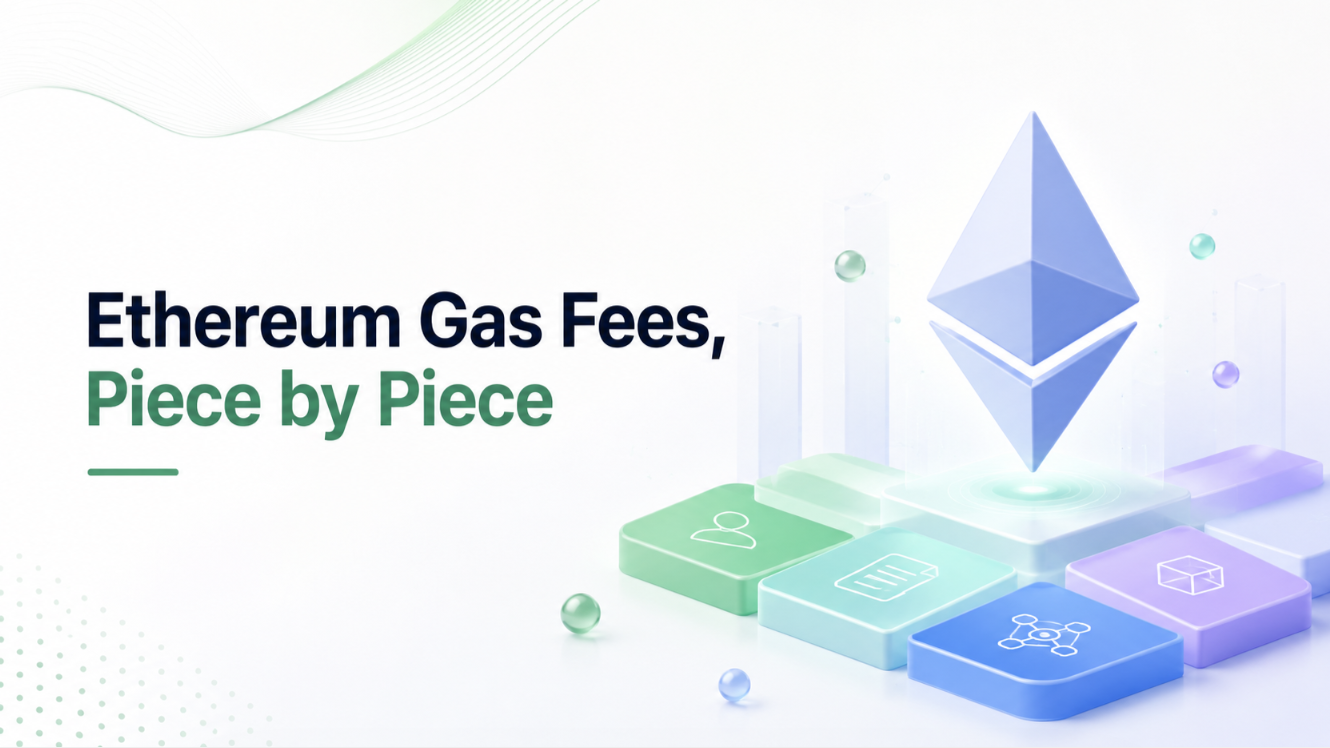
Base fee, priority fee, EIP-1559 — the mechanics under the "gas" number every transaction pays. Where the money goes and how to price it right.