GuidesIntermediate
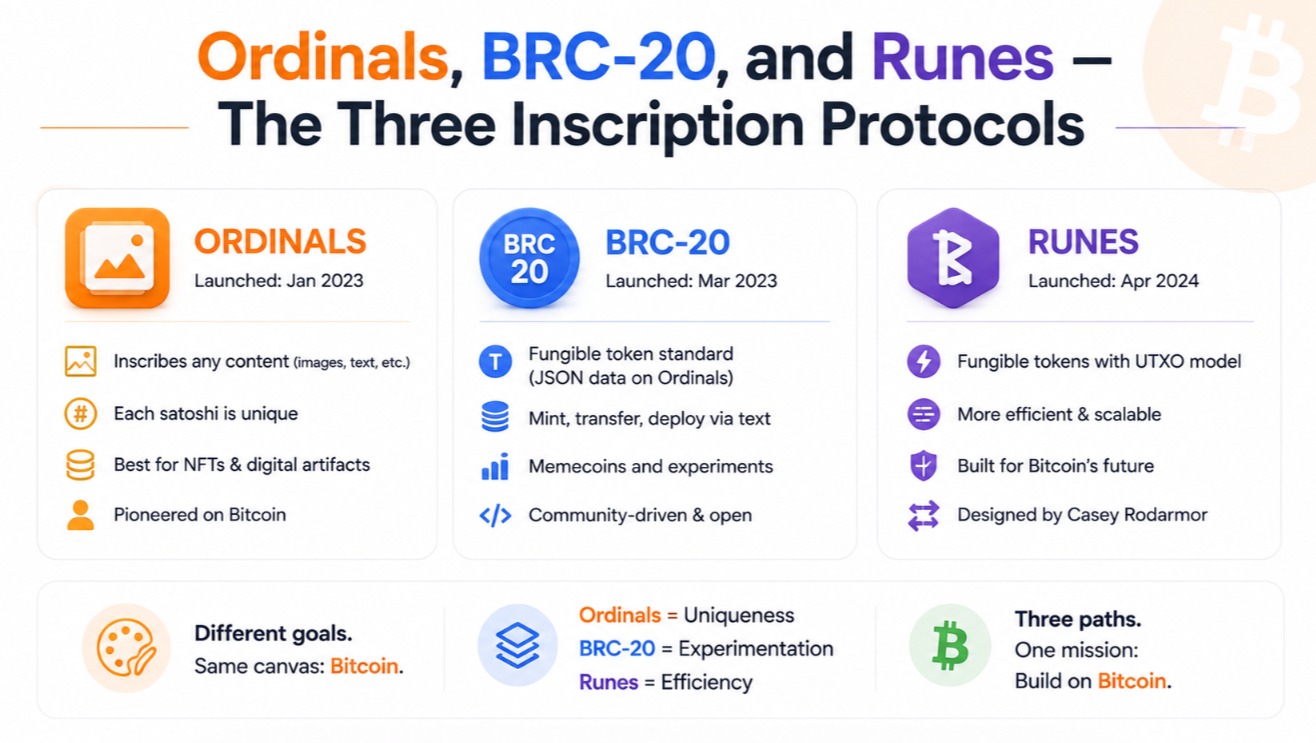
Ordinals, BRC-20, and Runes — The Three Inscription Protocols
One paragraph on each. What they inscribe, how they interact with block space, and why Bitcoin fees look nothing like they did before 2023.
8 min read
Beginner-to-advanced crypto guides on Bitcoin, Ethereum, DeFi, staking, wallets, taxes, and security. Step-by-step tutorials backed by hands-on testing.
Showing 9 of 116
One paragraph on each. What they inscribe, how they interact with block space, and why Bitcoin fees look nothing like they did before 2023.
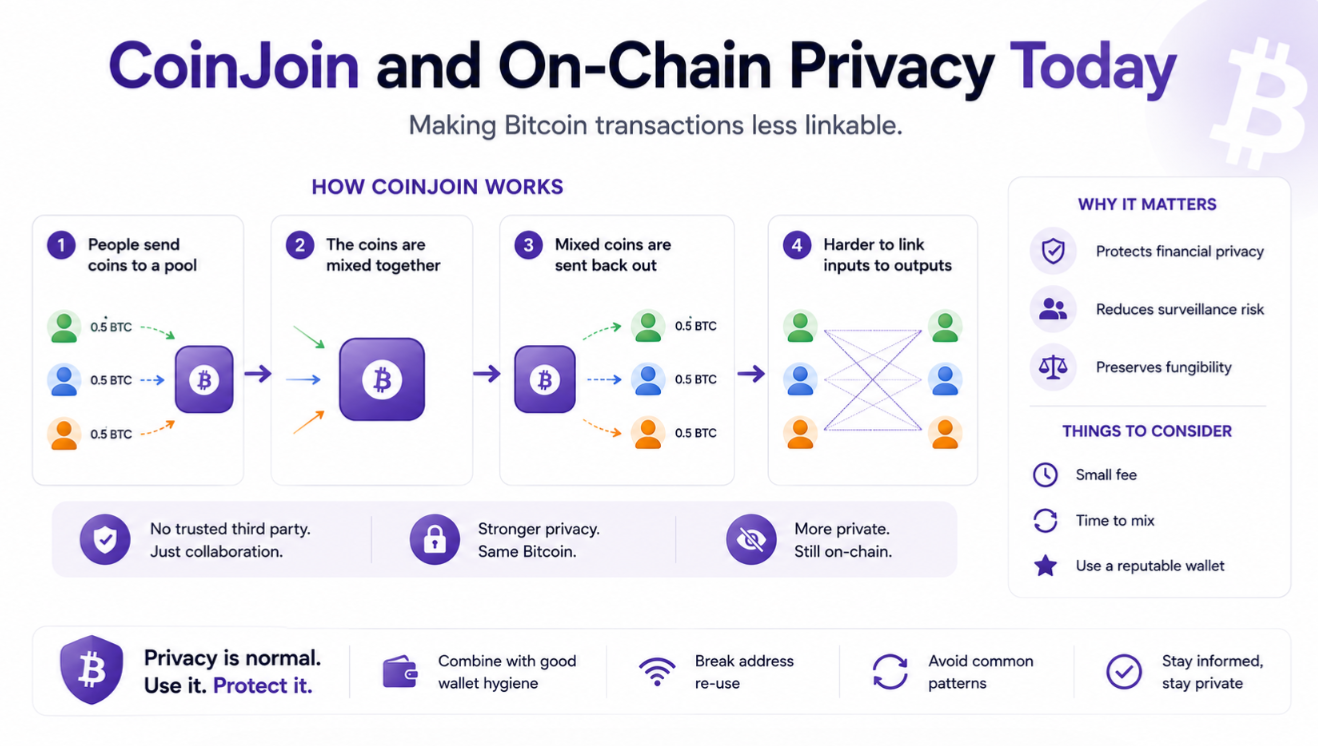
Wasabi, Whirlpool successors, and where Bitcoin privacy tooling stands after the 2024 enforcement wave. What still works and what does not.
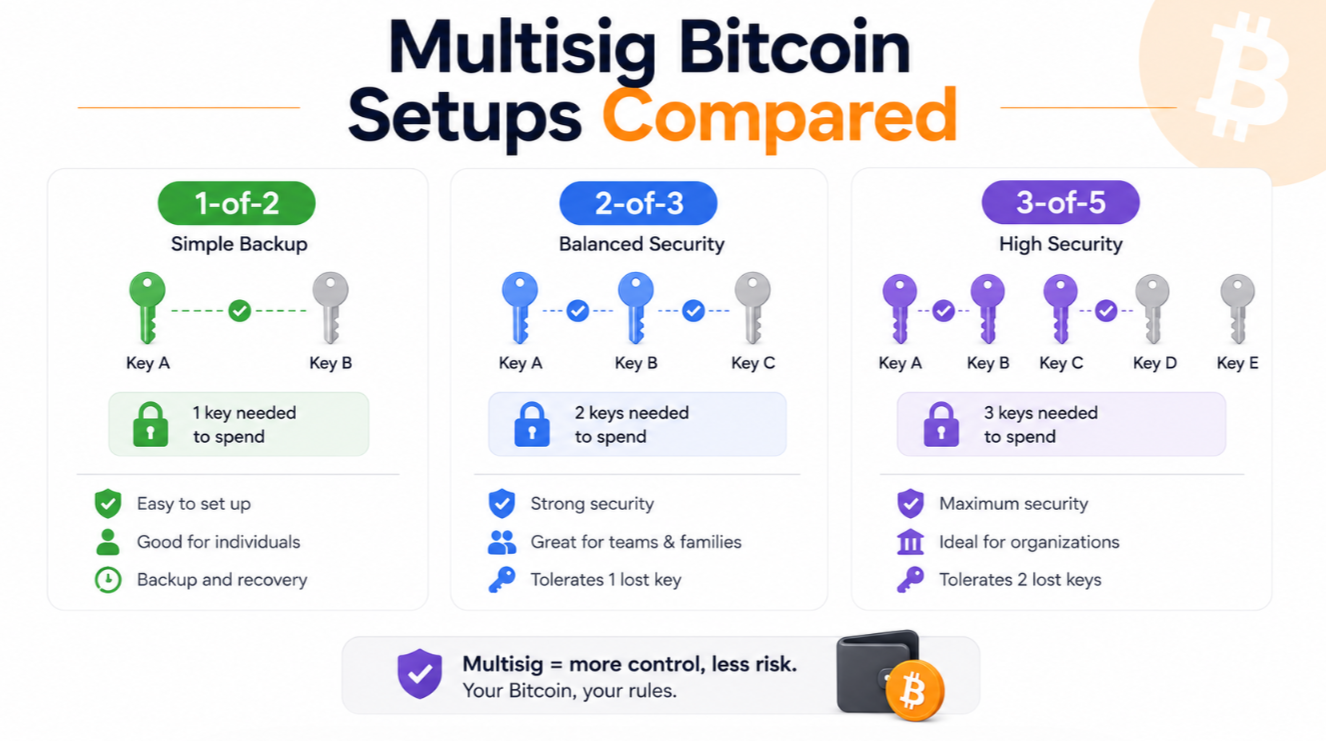
2-of-3, 3-of-5, collaborative custody. The realistic options for splitting keys across devices and locations, and the tradeoffs each imposes.
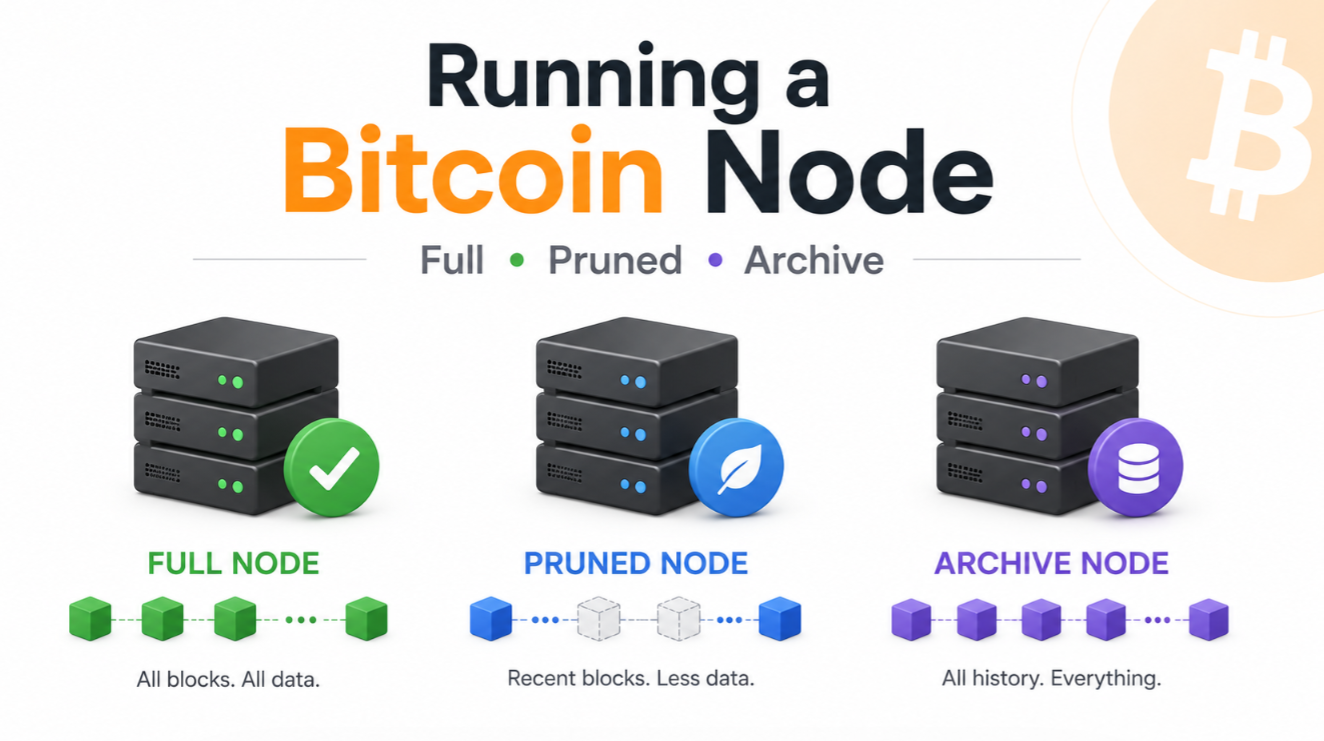
Node types compared: full, pruned, archive. Storage cost, hardware, and the honest question of who actually benefits from running one.
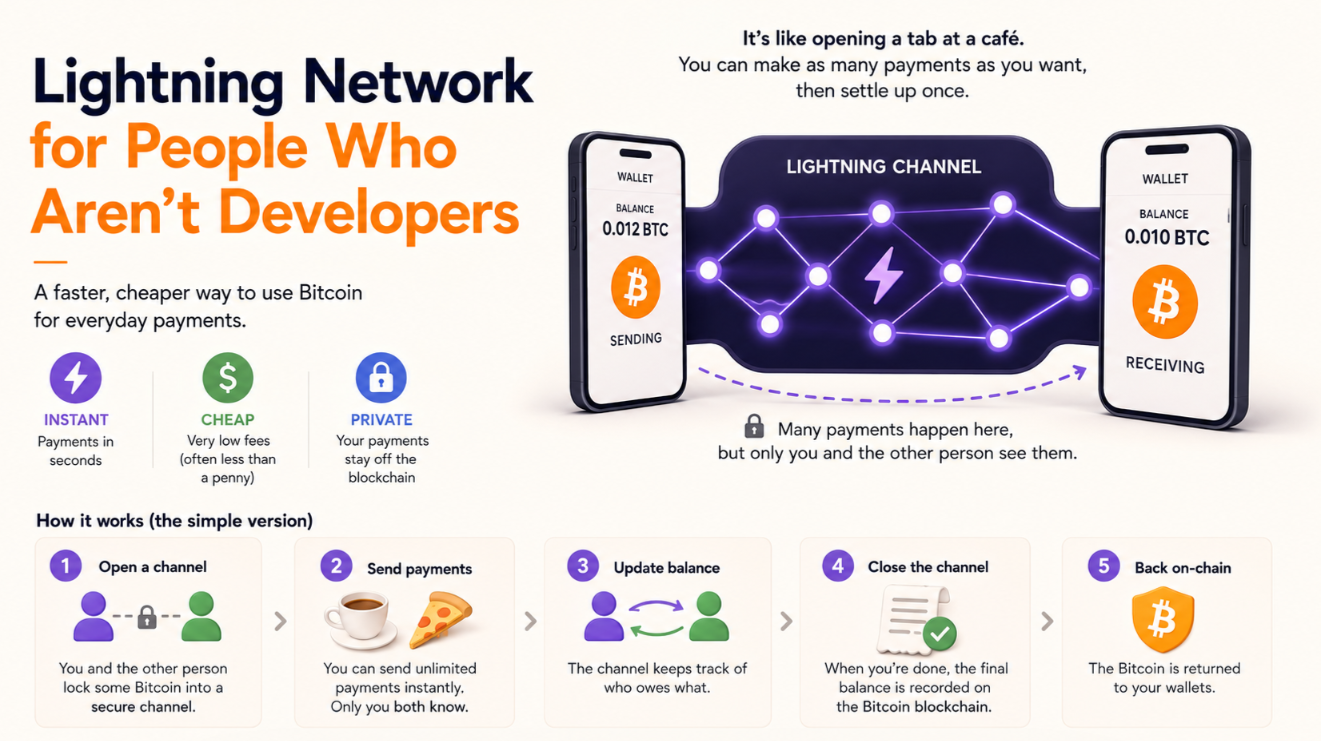
Payment channels, invoices, routing — the mental model of Lightning without the technicalities. When it helps, when it doesn't, and how to actually use it.
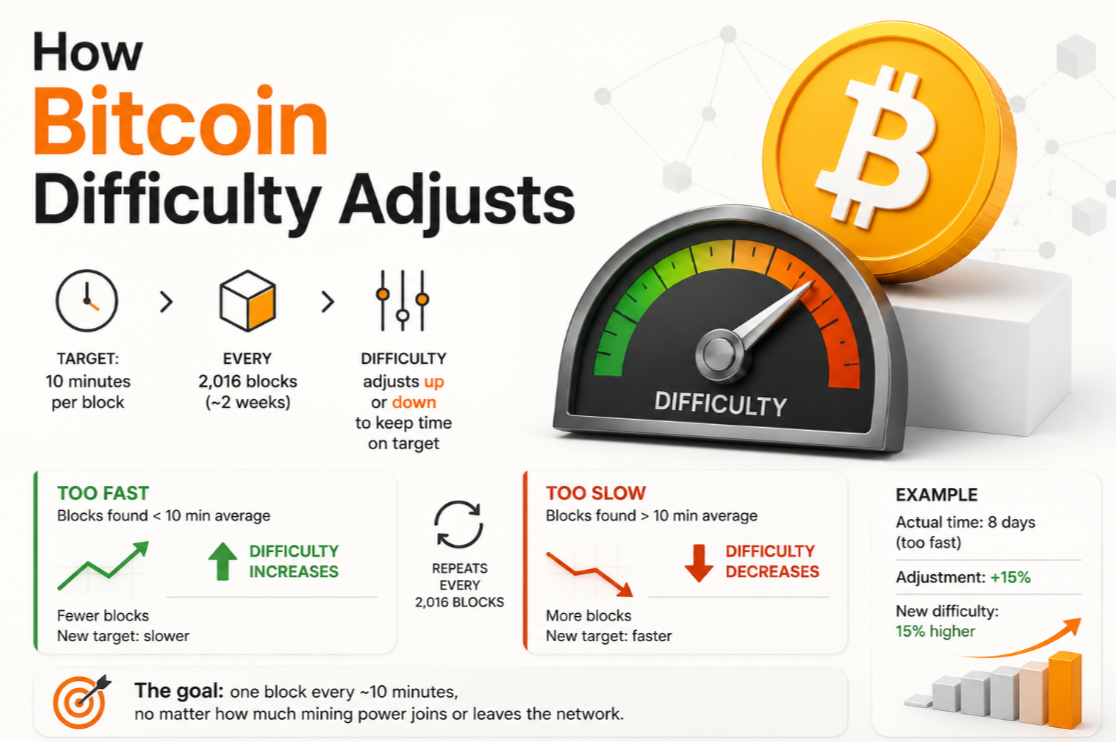
Every 2,016 blocks, Bitcoin recalibrates how hard mining is. The rule is simple; the consequences shape hashrate, miner economics, and the network's claim to security.
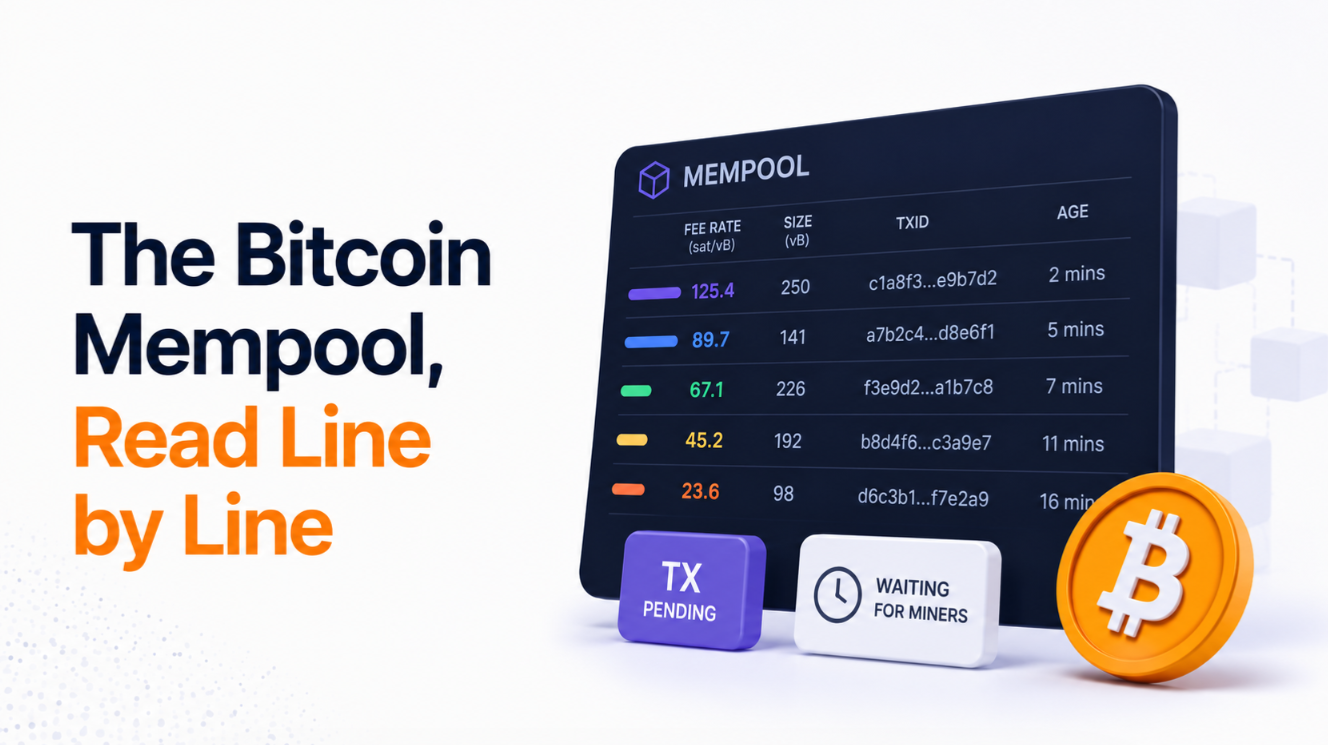
The mempool is where transactions wait between broadcast and confirmation. Reading it — depth, fee bands, purge history — is the difference between paying too much and paying too little.
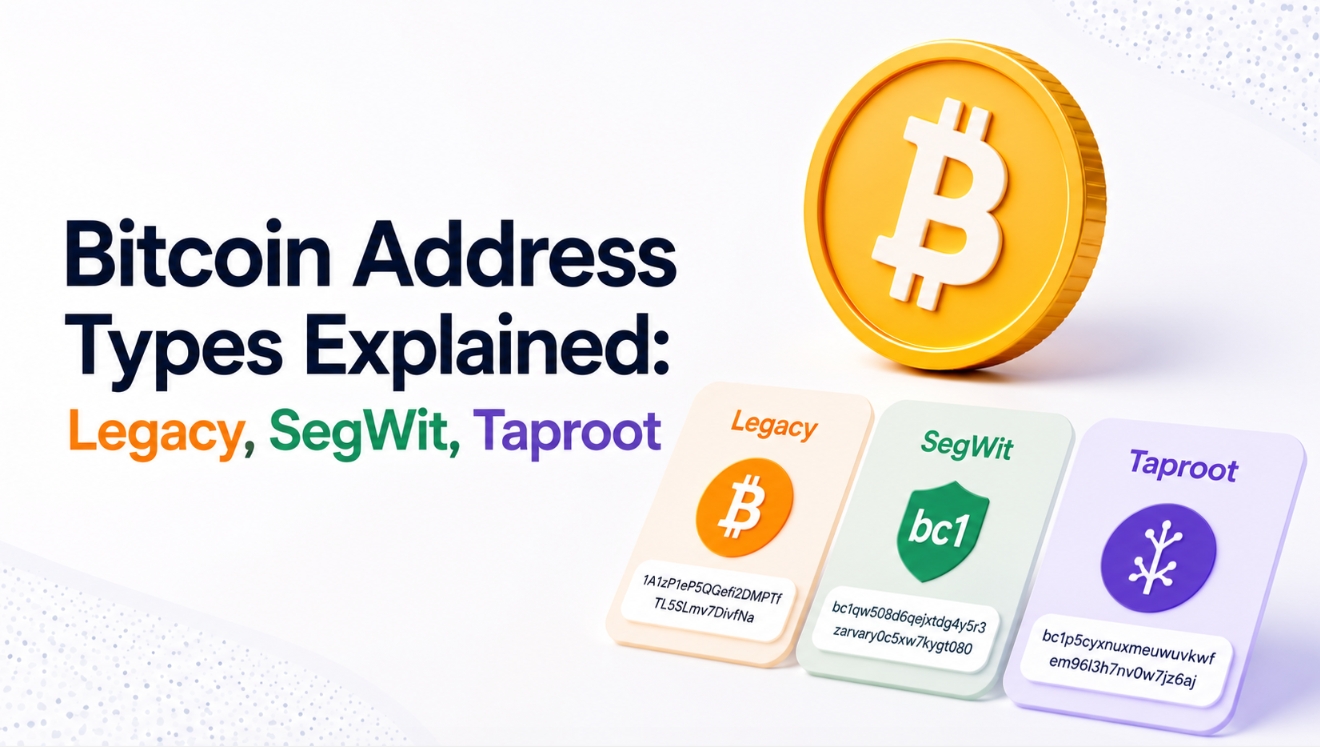
Legacy, Nested SegWit, Native SegWit, Taproot — four address formats you will encounter, differing in size, fee cost, and features. What each is for and when to reach for it.
The block reward has two ingredients — the shrinking subsidy and the fees. Miners keep both. This is how they trade off across halvings and what it means for network security.