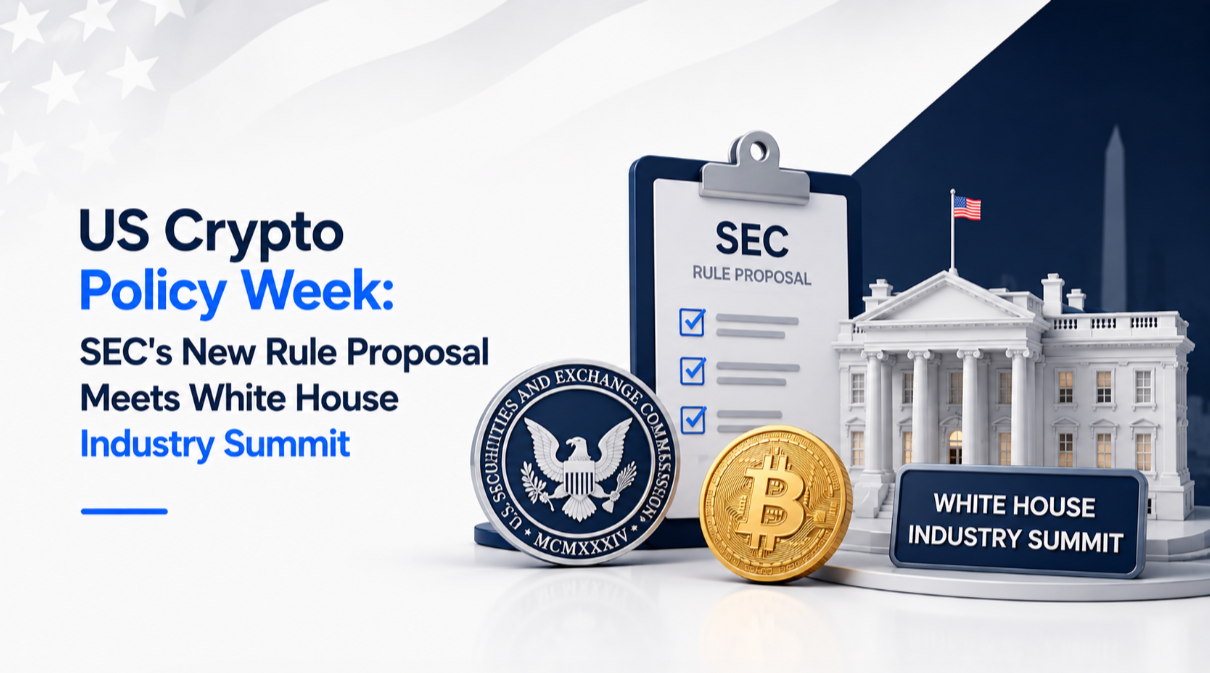
US Crypto Policy Week: SEC's New Rule Proposal Meets White House Industry Summit
The United States crypto industry is experiencing one of its most consequential weeks of regulatory activity in 2026. Within 24 hours, the Securities and Exchange Commission advanced its first major digital-asset rulemaking, and the White House brought together top executives and regulators for a high-level policy discussion — both moves signaling that Washington is trying to fill the gap left by a stalled Congress.
SEC Unveils "Regulation Crypto Assets" Proposal
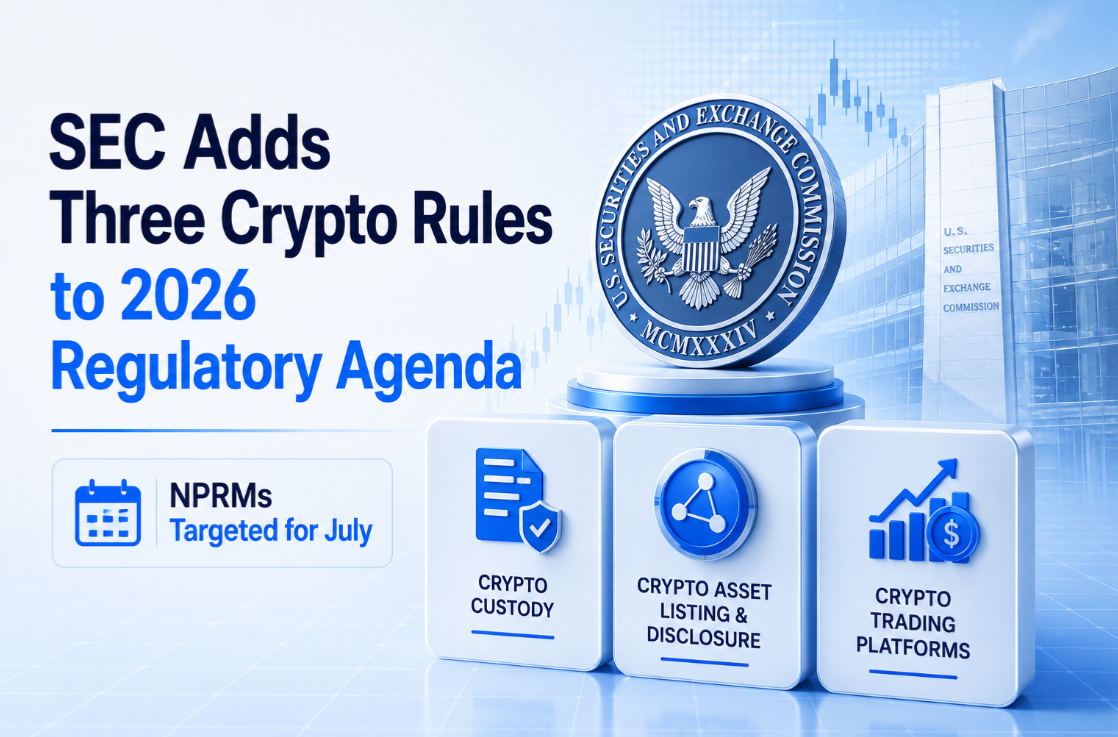
On August 18, the SEC issued a proposed rule known as "Regulation Crypto Assets," arriving just days after the agency had abruptly cancelled a meeting that was originally scheduled to vote on the same measure. The proposal is designed to give crypto projects a regulated path to raise capital without automatically triggering full securities registration requirements.
The plan lays out two separate exemption tracks: a "startup" offering capped at $5 million over a four-year window, and a broader route allowing up to $75 million per year that comes with heavier disclosure obligations. Companies using the startup track would need to file public disclosures at the beginning and end of the offering period, while issuers under the larger exemption would also have to publish financial statements and comply with ongoing reporting duties similar to existing investment-contract rules. Both categories would remain subject to the SEC's anti-fraud and anti-manipulation provisions.
Notably, the proposal would also create a safe harbor allowing certain tokens to shed their "investment contract" classification once the issuer has fully completed the managerial efforts it originally promised investors.
SEC Chairman Paul Atkins framed the rule as part of an effort to support capital formation and let crypto innovation flourish domestically, while stressing that congressional legislation is still needed to protect the agency's current work from being reversed by a future administration. The commission has now opened a 60-day public comment period before it begins drafting a final version of the rule. Industry groups, including the Digital Chamber, welcomed the proposal, noting that regulators had incorporated several suggestions from crypto firms.
White House Gathers Crypto Leaders Ahead of CFTC's First Advisory Meeting
A day later, on August 19, attention shifted to the White House, where senior officials and executives from crypto and prediction-market companies were expected to meet, with President Donald Trump reportedly taking part. Coinbase, a16z, Ripple, Chainlink, Kalshi, Paradigm and the Digital Chamber were among the firms expected to attend, alongside invited executives from Kraken, Gemini, the NYSE and Nasdaq. SEC Chairman Paul Atkins was confirmed to attend, while CFTC Chairman Michael Selig was expected to participate ahead of the CFTC's Innovation Advisory Committee's first formal meeting the following day.
That advisory committee is made up of 35 members spanning crypto, derivatives, prediction markets and traditional financial infrastructure, including the CEOs of Coinbase, Ripple, Kalshi and a16z's crypto arm, along with representatives from CME Group, Robinhood, Polymarket and Crypto.com.
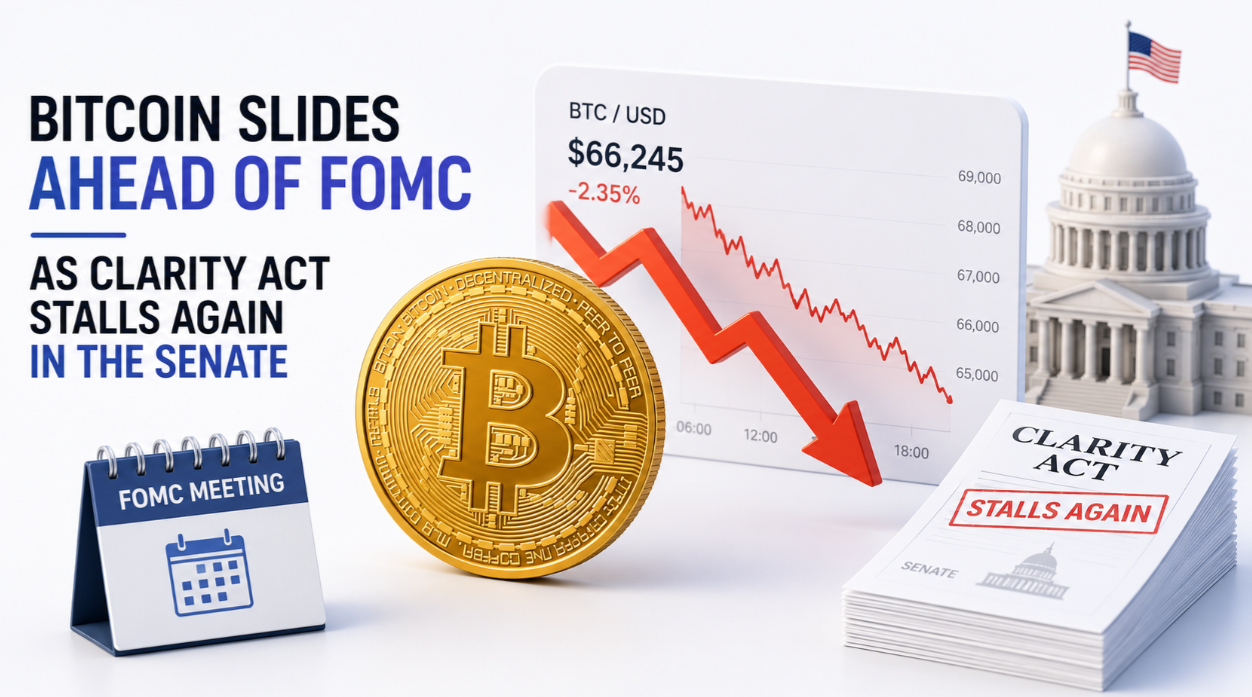
The timing is significant: the meeting comes as the Senate remains in recess without having advanced the Digital Asset Market Clarity Act, with Majority Leader John Thune scheduling a procedural cloture vote for September 15 — a vote that would only open debate rather than pass the bill outright. Because Republicans cannot reach the 60-vote threshold alone, Democratic support will be necessary for the legislation to move forward.
The CLARITY Act itself would assign spot markets for qualifying digital commodities to CFTC oversight while keeping securities-classified crypto assets under the SEC, and it would set new federal registration requirements for exchanges, brokers and custodians — a split that directly affects where American investors can trade specific tokens and which disclosures apply.
What This Means for the Market
Together, these two developments illustrate a regulator-led approach filling the vacuum left by Congress. The SEC's proposed exemptions give crypto startups a clearer, if narrower, path to raise funds legally in the U.S., while the White House meeting signals continued executive-branch engagement with the industry's biggest names as lawmakers remain gridlocked on comprehensive market-structure legislation. For now, market participants are treating both events as incremental — but closely watched — steps toward long-term regulatory certainty, rather than a final resolution.