GuidesIntermediate
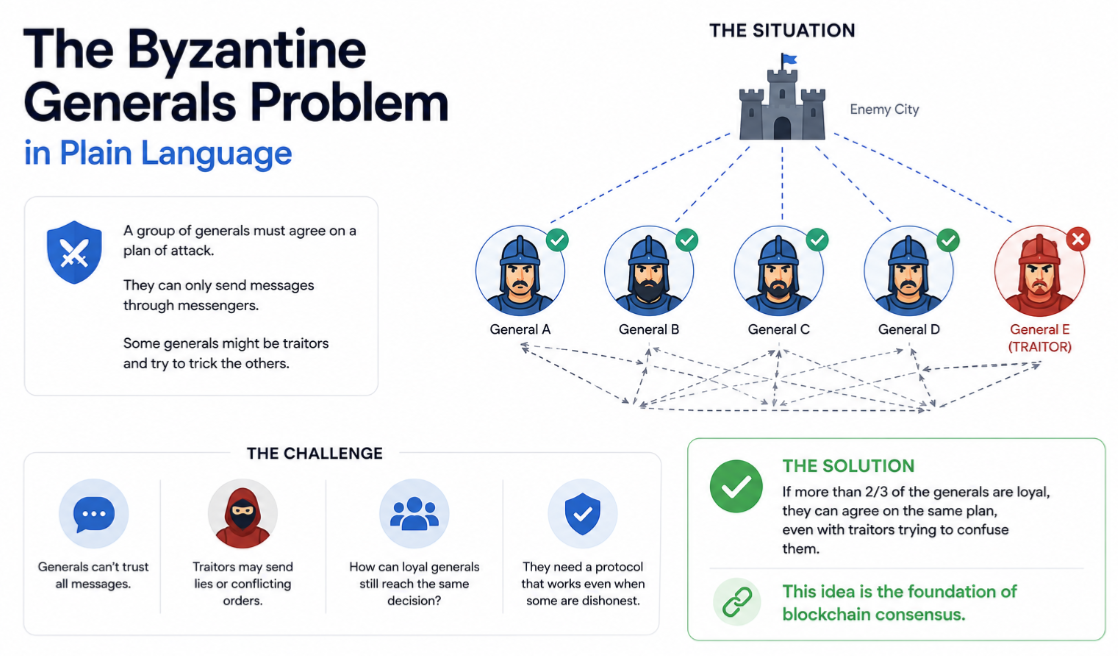
The Byzantine Generals Problem in Plain Language
Why distributed agreement is hard, and what Bitcoin's solution to it actually was. The intellectual puzzle behind every consensus algorithm.
7 min read
Beginner-to-advanced crypto guides on Bitcoin, Ethereum, DeFi, staking, wallets, taxes, and security. Step-by-step tutorials backed by hands-on testing.
Showing 9 of 58
Why distributed agreement is hard, and what Bitcoin's solution to it actually was. The intellectual puzzle behind every consensus algorithm.

Five families of consensus, one page. What each optimizes for, what each gives up, and where each has been deployed at scale.
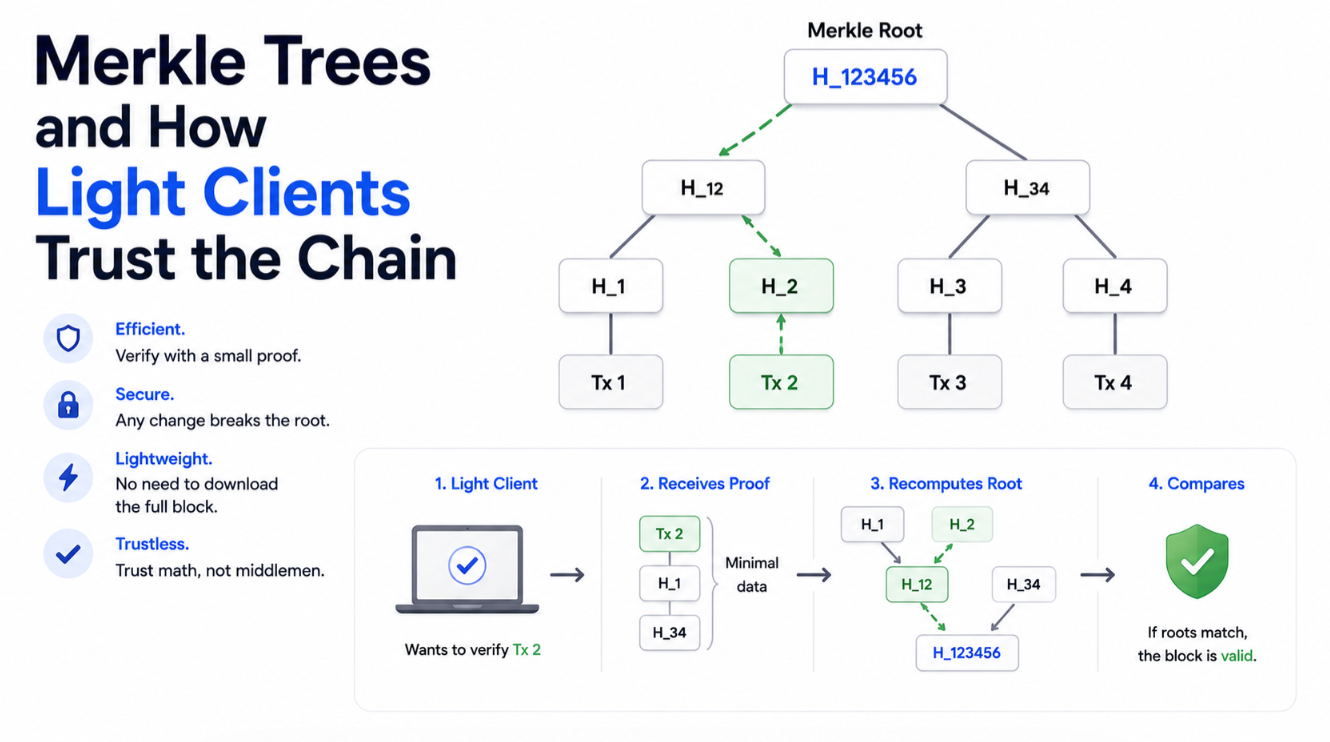
The compact-proof structure that lets your wallet verify inclusion without downloading the whole blockchain.

What a signature proves, why Schnorr matters, and what Taproot did with it. The primitive that lets crypto wallets exist.
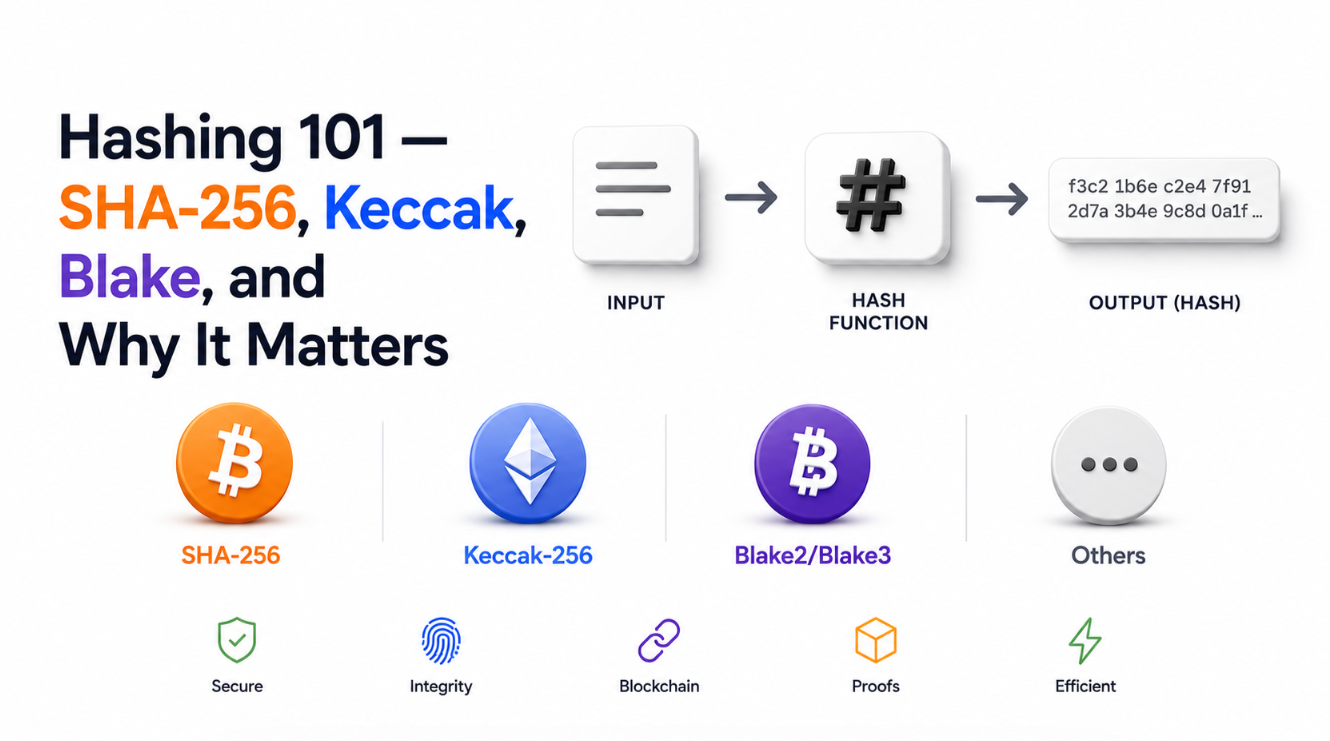
One-way functions with avalanche effects and collision resistance. What hashing actually is and why every blockchain is built on it.

One paragraph on each. What they inscribe, how they interact with block space, and why Bitcoin fees look nothing like they did before 2023.
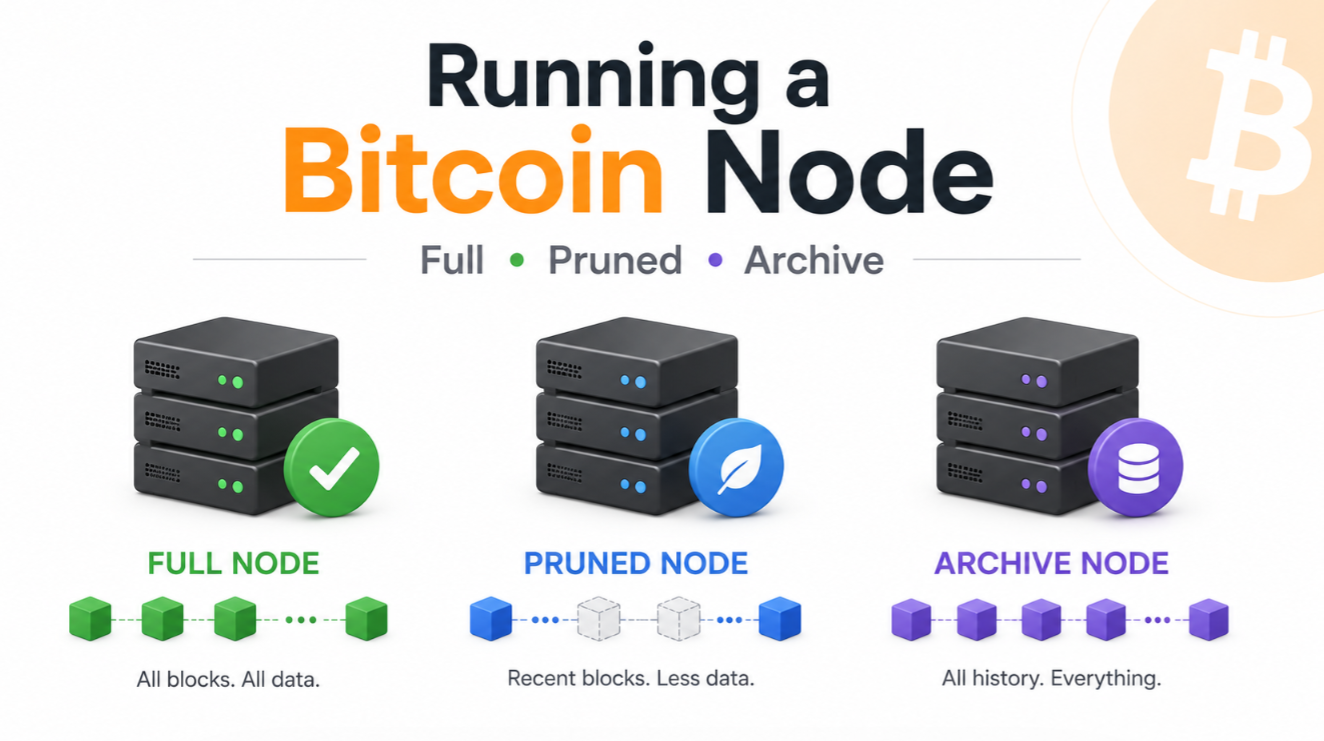
Node types compared: full, pruned, archive. Storage cost, hardware, and the honest question of who actually benefits from running one.

Every 2,016 blocks, Bitcoin recalibrates how hard mining is. The rule is simple; the consequences shape hashrate, miner economics, and the network's claim to security.

The mempool is where transactions wait between broadcast and confirmation. Reading it — depth, fee bands, purge history — is the difference between paying too much and paying too little.