GuidesIntermediate
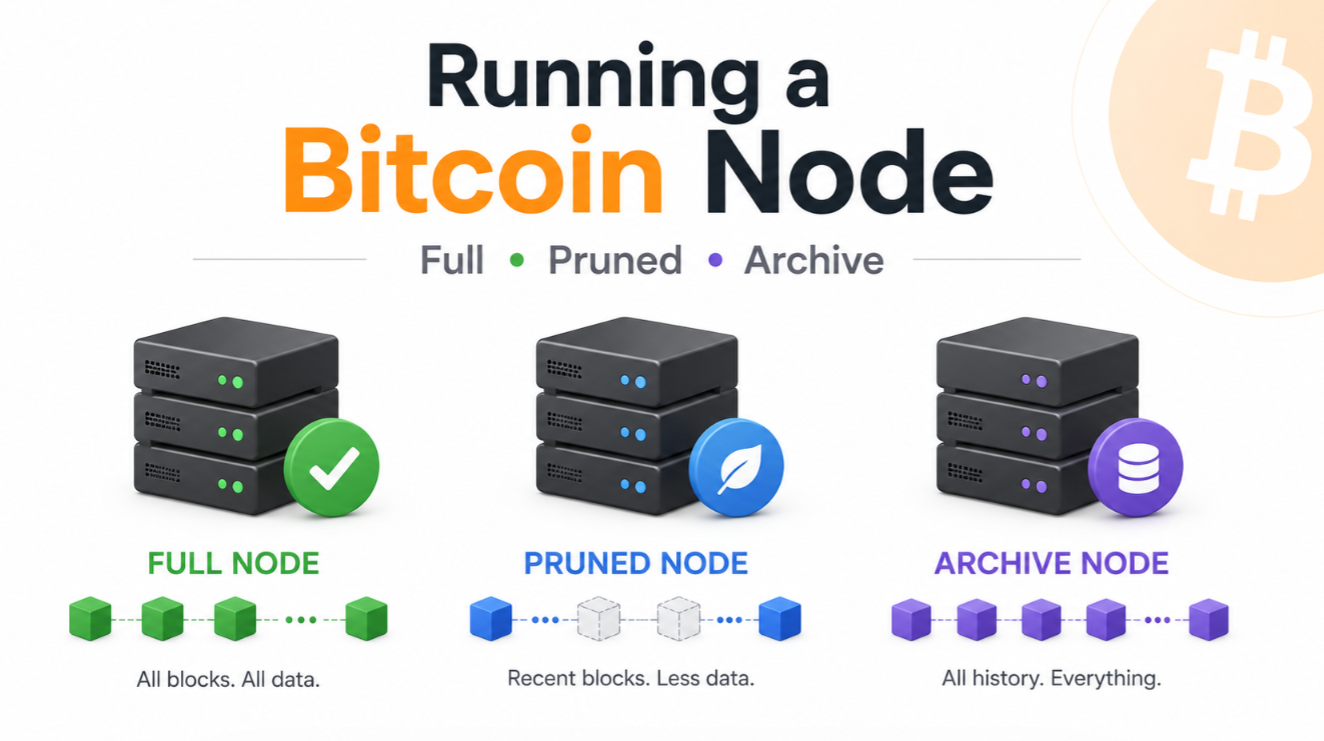
Running a Bitcoin Node — Full, Pruned, Archive
Node types compared: full, pruned, archive. Storage cost, hardware, and the honest question of who actually benefits from running one.
8 min read
Beginner-to-advanced crypto guides on Bitcoin, Ethereum, DeFi, staking, wallets, taxes, and security. Step-by-step tutorials backed by hands-on testing.
Showing 9 of 140
Node types compared: full, pruned, archive. Storage cost, hardware, and the honest question of who actually benefits from running one.

Payment channels, invoices, routing — the mental model of Lightning without the technicalities. When it helps, when it doesn't, and how to actually use it.
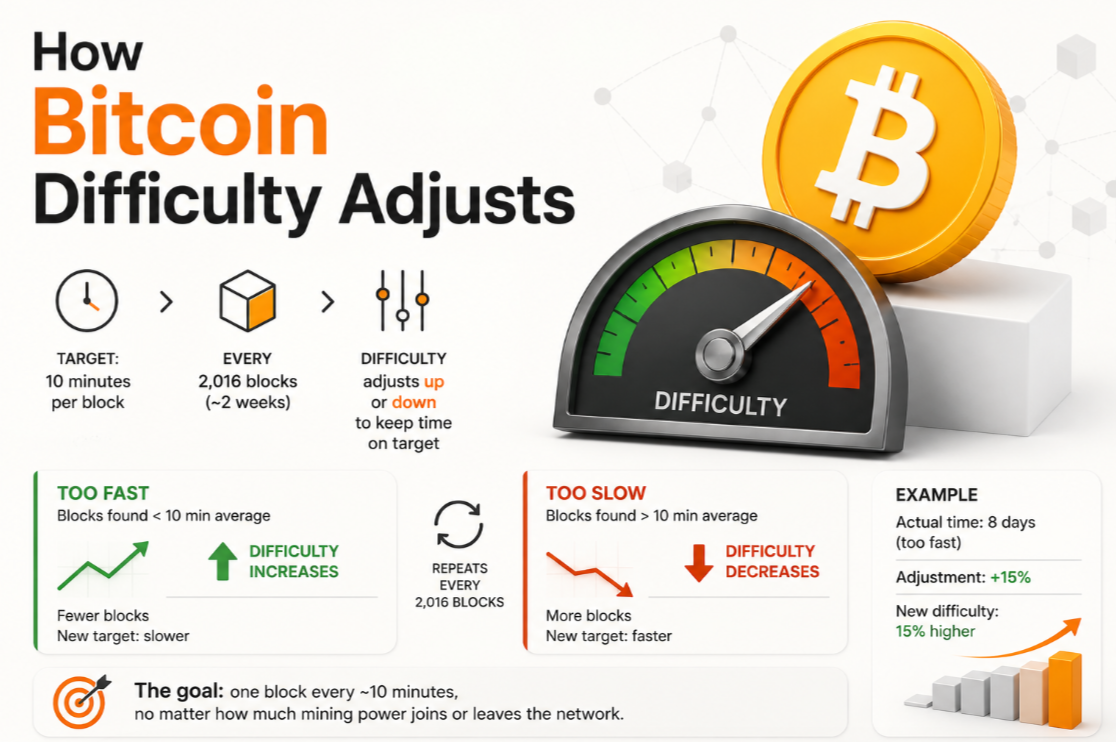
Every 2,016 blocks, Bitcoin recalibrates how hard mining is. The rule is simple; the consequences shape hashrate, miner economics, and the network's claim to security.

The mempool is where transactions wait between broadcast and confirmation. Reading it — depth, fee bands, purge history — is the difference between paying too much and paying too little.
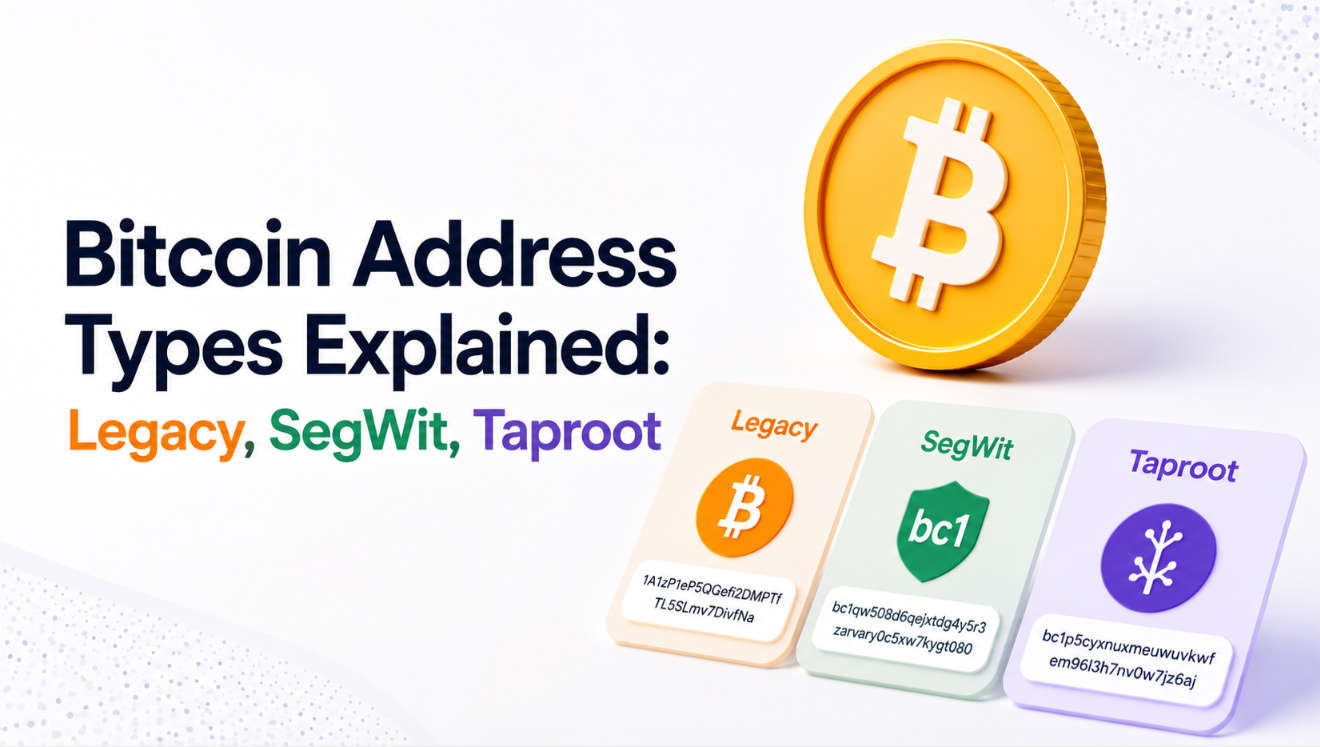
Legacy, Nested SegWit, Native SegWit, Taproot — four address formats you will encounter, differing in size, fee cost, and features. What each is for and when to reach for it.

The block reward has two ingredients — the shrinking subsidy and the fees. Miners keep both. This is how they trade off across halvings and what it means for network security.

How Solana validators actually earn — inflation rewards, MEV through Jito, and the staking economics that make running a validator viable.

How spot Ethereum ETFs have performed by 2026 — AUM, inflow patterns, comparison to Bitcoin ETFs, and what the numbers signal.

Tax planning specific to spot Bitcoin ETFs — wash sale rules, lot selection, harvesting strategies, and how ETF taxes differ from actual BTC.